
Impact Testing for Hurricanes and Tornadoes
27 Jun 2026
How Severe Storm Testing Helps Manufacturers Prepare Products for High-Wind Regions
Impact testing is not only about whether a product can withstand a strike in the lab. For manufacturers, the larger question is whether the tested configuration supports the way the product will be rated, approved, specified, installed, and used in the field.
That distinction becomes especially important in hurricane and tornado applications. Both hazards can involve high winds and windborne debris, but the testing goals, code paths, assemblies, and documentation requirements differ.
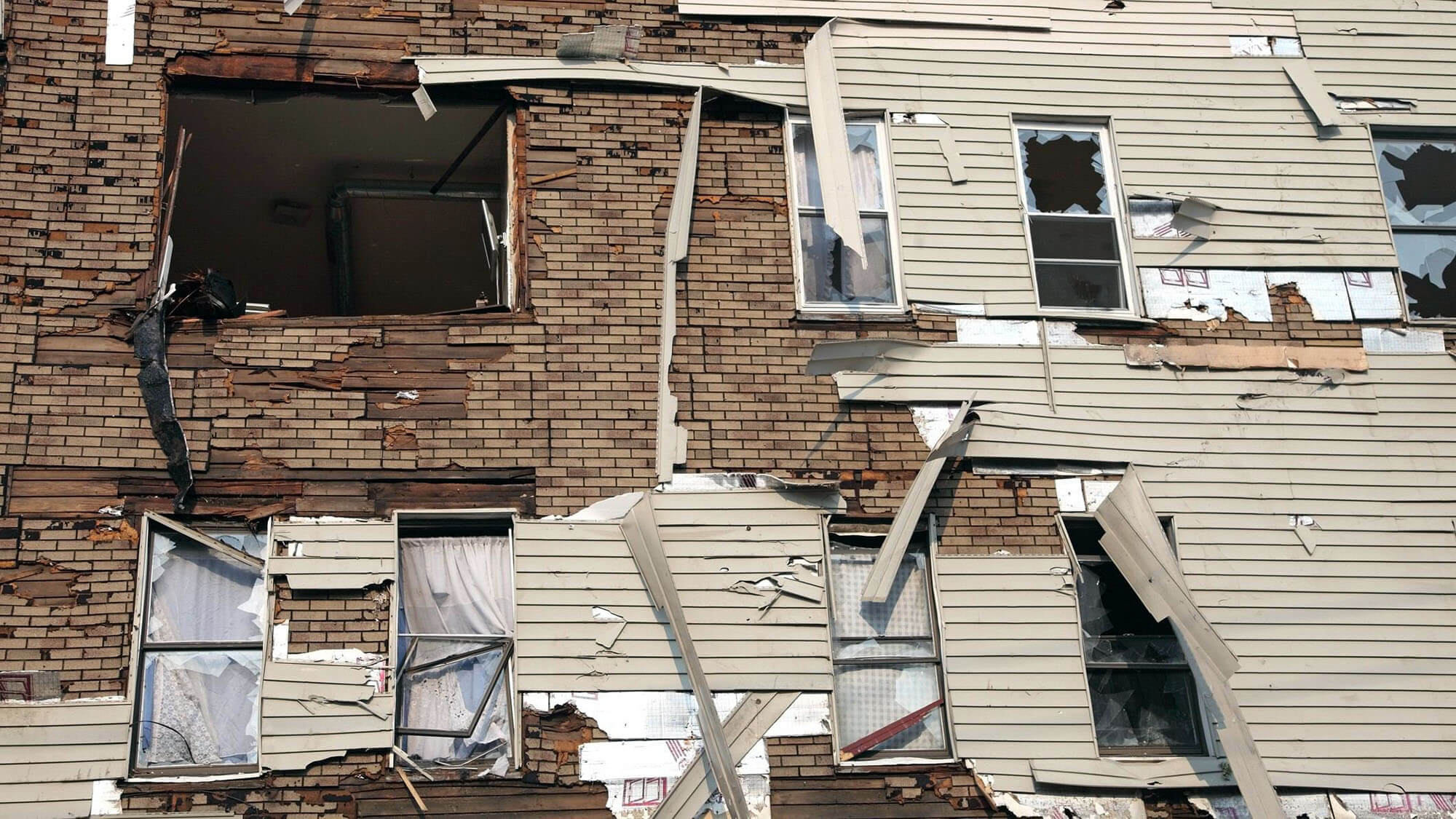
During hurricanes, windborne debris, rain, and rapid pressure changes can place windows, doors, curtain walls, shutters, roofs, and other exterior systems under repeated stress. Tornadoes can produce extreme localized forces and severe debris impact over a shorter period. For manufacturers, that can mean testing products as part of storm shelters, safe rooms, protected areas, or other assemblies tied to occupant protection.
Before testing begins, the product or system should be reviewed for where it will be used, which code or standard applies, how it will be installed, and what documentation will be needed for approval, specification, or market access.
Hurricane Testing Looks at Impact and Pressure Cycling
In hurricane-prone regions, one of the most common tests is impact and cycling. This test simulates windborne debris striking a window, door, or other building envelope element during a hurricane, followed by rapid positive and negative pressure changes.
The sequence reflects how hurricane damage can progress. Performance is not limited to the initial impact. The system also needs to continue resisting pressure changes after impact. If an opening is breached, wind can enter the building and change internal pressures. Water may also enter through damaged or displaced components, creating additional damage inside the structure.
For windows and doors, hurricane impact testing commonly includes firing a 2 by 4 projectile at predetermined locations. The cycling portion occurs after impact and includes 9,000 cycles of positive and negative pressure when no penetration occurs.
Depending on the product and approval path, hurricane testing may also include air, water, and structural performance testing. For products intended for Florida, Miami-Dade County, or other high-wind markets, manufacturers may also need documentation tied to Florida Product Approval or a Miami-Dade Notice of Acceptance.
The Test Configuration Drives the Value
The test result is tied to the tested configuration. Changes to product size, framing, glazing makeup, anchorage, hardware, reinforcement, fastener spacing, surrounding wall conditions, or installation method may affect how the product can be documented or approved.
For manufacturers, the goal is not only to pass a test. The goal is to test the configuration that supports the intended rating, approval path, and field use.
If a product is tested in a configuration that does not match how it will be sold, specified, or installed, additional testing, engineering review, or revised documentation may be needed later. That can affect submittals, permitting, product approvals, installation instructions, and conversations with architects, code officials, contractors, and distributors.
Tornado Testing Has a Different Goal
Tornado testing focuses on a different set of conditions and applications. Unlike hurricane testing, it is often tied to more intense debris impact and assemblies used for occupant protection, including storm shelters, safe rooms, and other protected areas.
Products may need to support ICC 500 requirements for storm shelters and certain facilities. Intertek’s tornado and storm shelter services support compliance for doors, windows, walls, roofs, and complete shelter systems through impact, pressure, fire testing, engineering review, and certification.
A product designed for hurricane approval is not automatically suitable for storm-shelter use. For tornado-related applications, the tested assembly may need to be evaluated based on the full system, including installation method, anchorage, hardware, surrounding wall conditions, and intended use.
Assemblies Need to Be Reviewed as Systems
Impact performance depends on more than one component. Glass, framing, anchors, fasteners, hardware, sealants, panels, and surrounding construction all contribute to a system's performance during testing.
A window, door, shutter, wall system, or shelter component may include strong individual materials, but the full assembly still needs to resist impact, pressure, and movement as tested. A weak connection point, undersized anchor, unsupported frame, or untested wall condition can affect the result.
Manufacturers should define the tested configuration before the product is built for testing. Product size, frame type, glazing or panel makeup, reinforcement, anchorage, fastener spacing, surrounding wall conditions, and installation details should align with the intended market and approval path.
How Intertek Can Help
Intertek provides hurricane, tornado, and natural disaster testing and certification services for building products and systems. Capabilities include impact and cycling tests, missile and cyclic window pressure testing, air, water, and structural testing, storm shelter testing, engineering review, certification, and support for Florida Product Approval and Miami-Dade Notice of Acceptance needs.
The process often starts with the intended market and code path. From there, Intertek can help manufacturers identify applicable standards, define the tested configuration, plan sequencing, prepare documentation, and support approval strategies for high-wind and severe weather regions.

You may be interested in...
Natural Disasters & Building Resilience
It's increasingly more important to design, construct, and maintain buildings to withstand natural disasters like hurricanes, tornadoes, and flooding as they become more frequent.